Primary & Middle School Learning Systems
As learners grow, so must the depth of their thinking. Our research-based Primary and Middle School curricula are designed to strengthen intellectual curiosity, independent reasoning, and purposeful action.
Project Based Approach
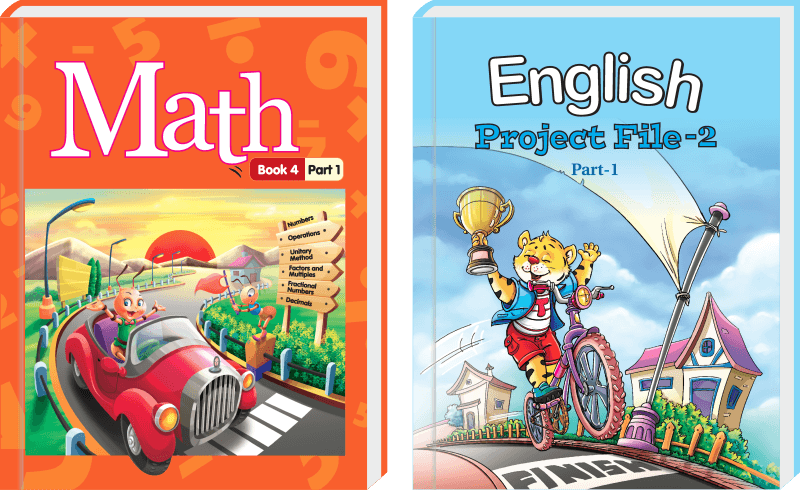
Children in their early years are curious and inquisitive and love to explore and learn. Project Based learning (PBL) is an instructional approach designed to give students the opportunity to develop knowledge and skills through engaging in projects set around challenges and problems they may face in the real world.

Apprentice Based Approach (ABA)
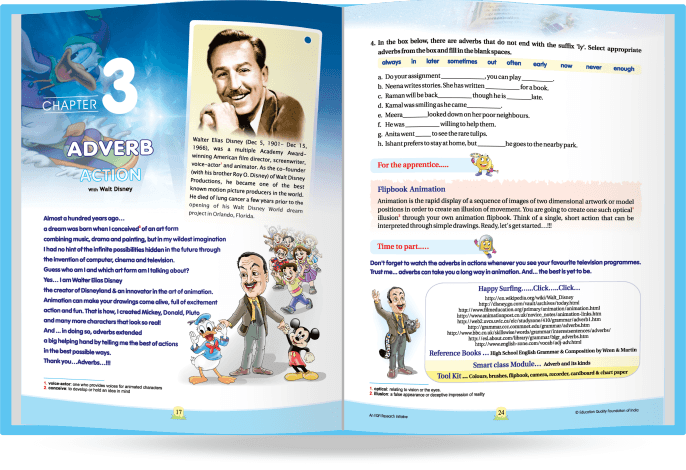
The learning styles of children differ at different age levels based on their needs. The Apprentice Based Learning Approach is best used when children are in their teen years. Teens want to change the world at this stage and look at role models who can become their guides or mentors. The ABA uses role models to teach basic concepts and then introduces them to real life professions by providing them an opportunity to be in that profession through their various apprentice projects.

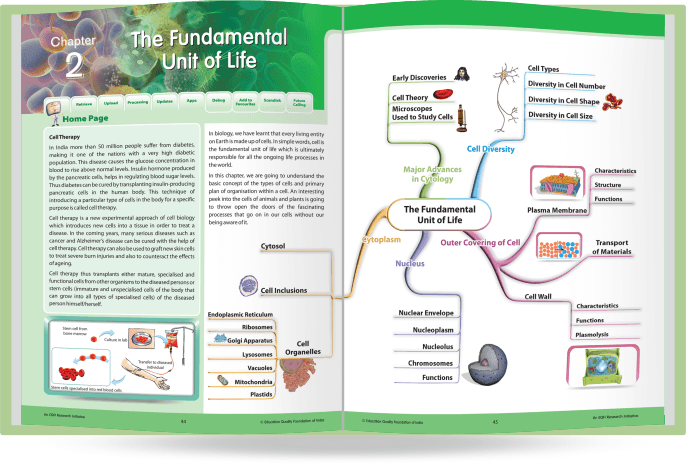
Mind Mapping Approach
As content and examination pressures build up at the middle and senior school level, teens look for various ways to retain and recall massive amount of data and information. The endeavour in this approach is to ensure that learners do not just rote learn or memorise content but build logical, creative, innovative and scientific skills to understand concepts. The Mind Mapping approach is a learning technique which uses a non-linear approach to learning that forces the learner to think and explore concepts using visuospatial relationships flowing from a central theme to peripheral branches which can be inter-related.

Game Based Approach
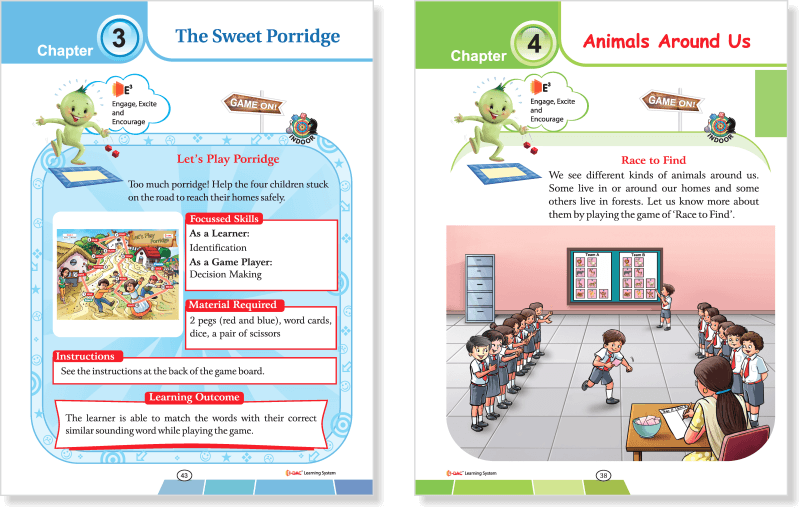
Game Based Learning Approach is an active learning technique where games are used to enhance student learning. Here, the learning comes from playing a game that promotes critical thinking and problem-solving skills. Every new concept is made into a game or a fun learning activity and promotes student engagement that motivation to learn.

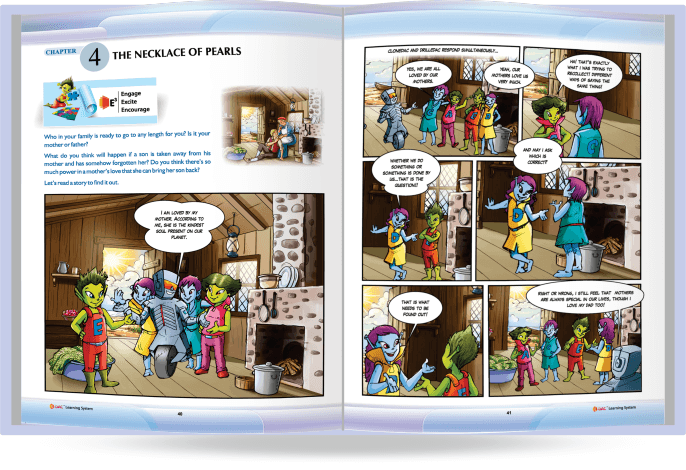
Comic Approach
Learners can sometimes find written text to be boring and not stimulating to learn. Visual learning, specially comics provide narrative experiences, which make learning more relevant, enjoyable and realistic. Students easily relate to the characters and build imaginative and problem thinking skills while learning new concepts.

Blended Teaching Learning Approach
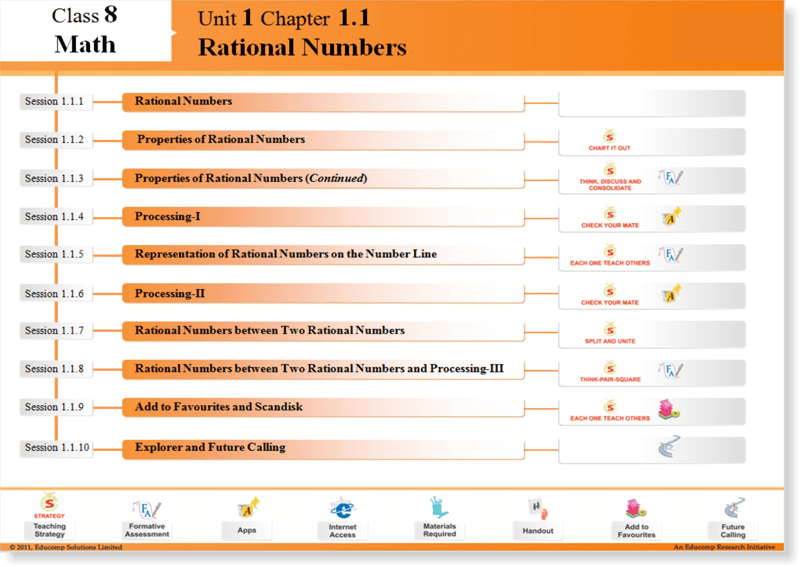
With virtual learning, schools can reinvent themselves. While homeschooling is becoming a highly preferred option, Blended Learning is the new way forward. AP Education provides facilitators with blended teaching and learning strategies and acquaints them with various teaching and learning applications that can make learning effective both in the offline and online modes.